
All Maui Regions
Maui is divided into 6 distinct regions—West Maui, South Maui, Central Maui, Upcountry Maui, North Shore, and East Maui—each with its own character, climate, lifestyle, and real estate market. Whether you're drawn to the resort-lined beaches of Kaanapali, the cool green pastures of Kula, or the remote rainforests of Hana, maui.realestate and Christopher Barca are your guides to finding the region that fits your life.
Popular Maui Neighborhoods
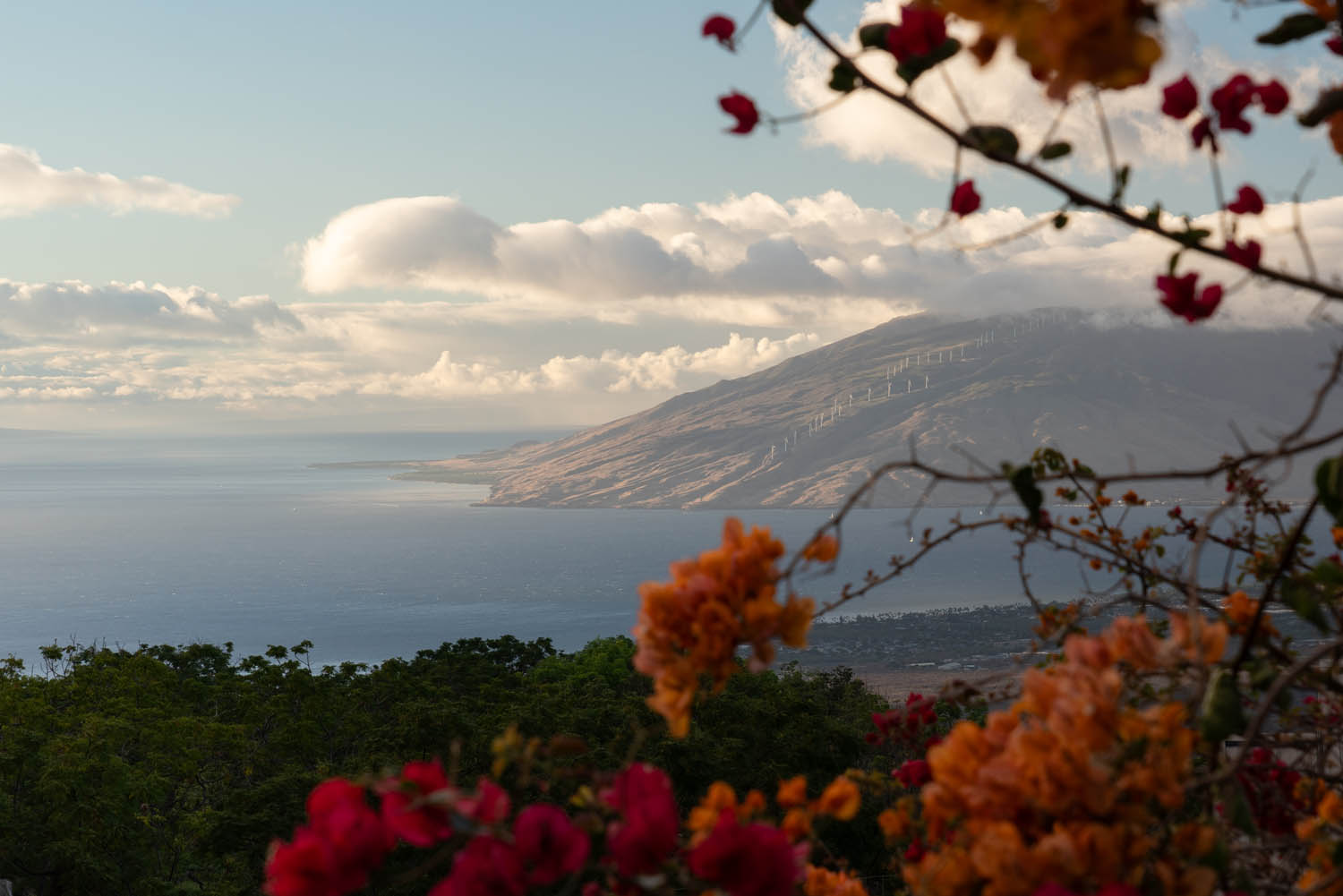
Kula
Upcountry Maui on Haleakalā’s slopes—cooler climate, bi-coastal views, and acreage. Explore Kula country estates, ranch parcels, and custom homes.
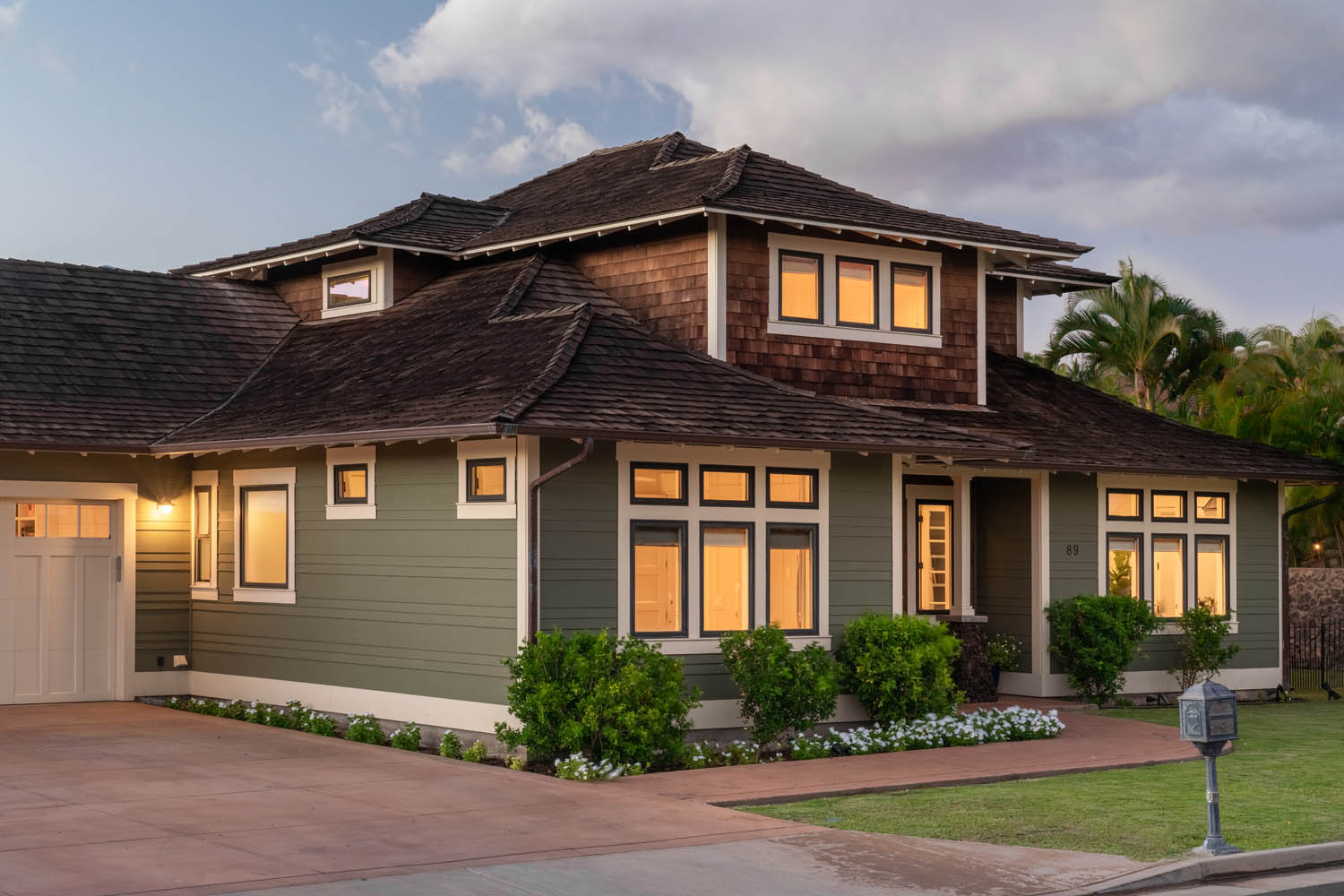
Wailea
South Maui’s luxury resort corridor with five-star beaches and championship golf. Browse Wailea oceanfront condos, gated communities, and luxury homes.

Makena
Secluded coastline south of Wailea—Big Beach, lava fields, and ultra-private estates. Discover Makena homes and oceanfront lots at Makena Golf & Beach Club.

Paia
Historic North Shore surf town—Baldwin Beach, Ho‘okipa, and eclectic shops. See Paia plantation-style cottages and beach-adjacent homes.

West Maui
Sun-drenched leeward coastline spanning Lahaina, Kaanapali, and Kapalua—world-class beaches, resort living, and historic charm. Explore West Maui oceanfront condos, luxury estates, and beachside homes.
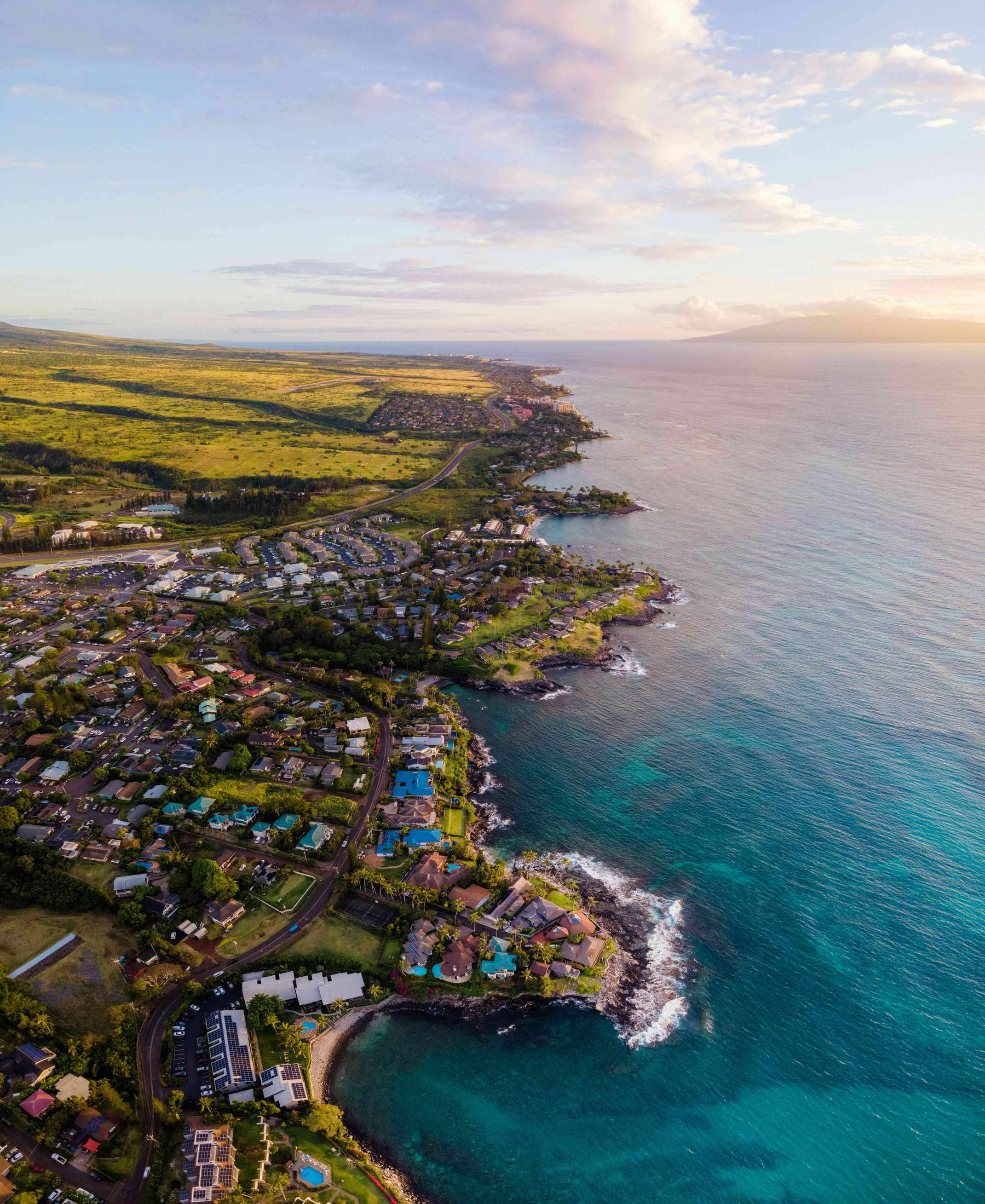
Kaanapali
World-famous resort coastline with pristine beaches and championship golf. Browse Kaanapali condos, oceanfront villas, and luxury residences.
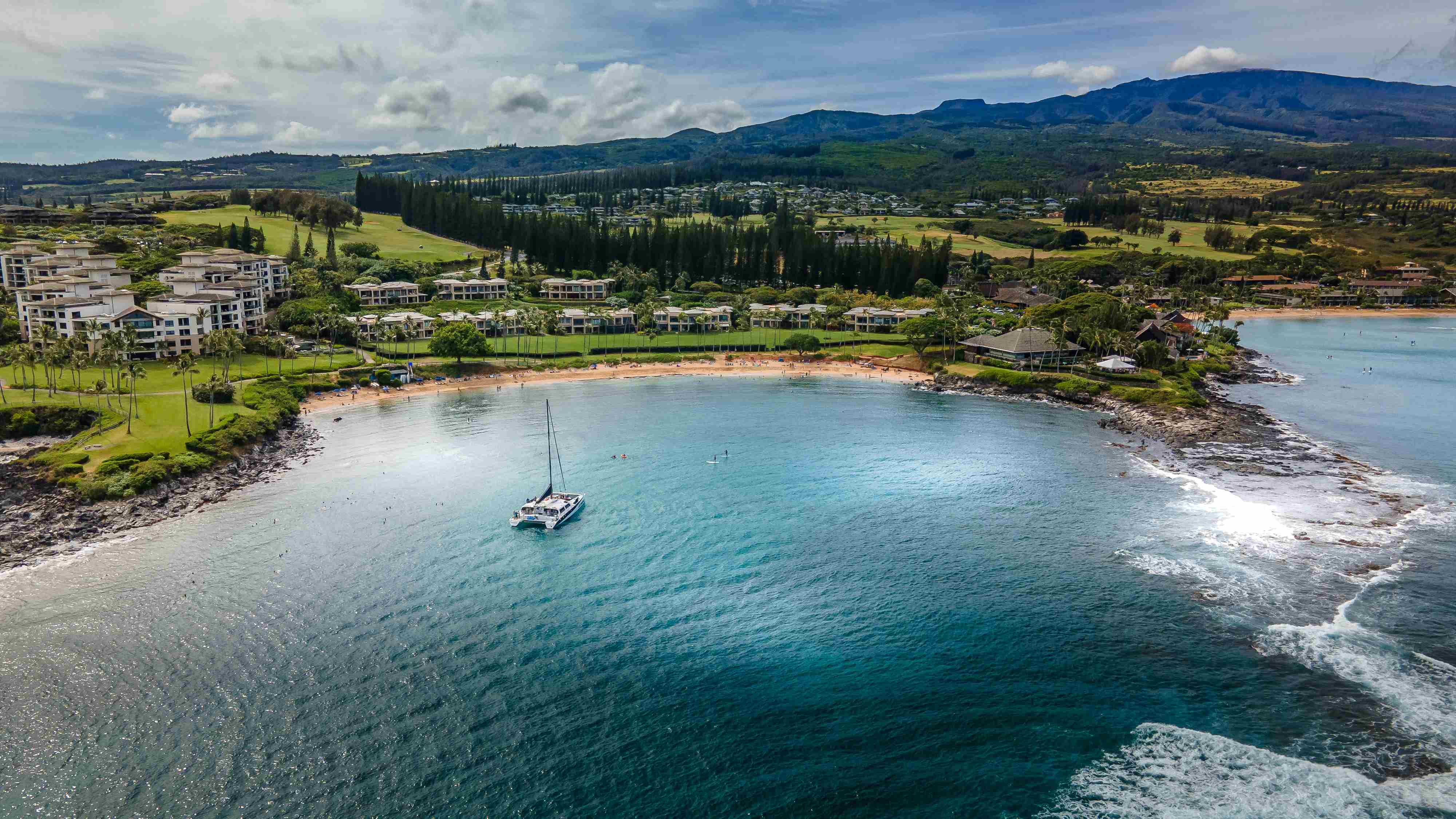
Kapalua
Exclusive resort community with Kapalua Bay, two golf courses, and lush ridgeline estates. Discover Kapalua luxury homes and oceanview residences.
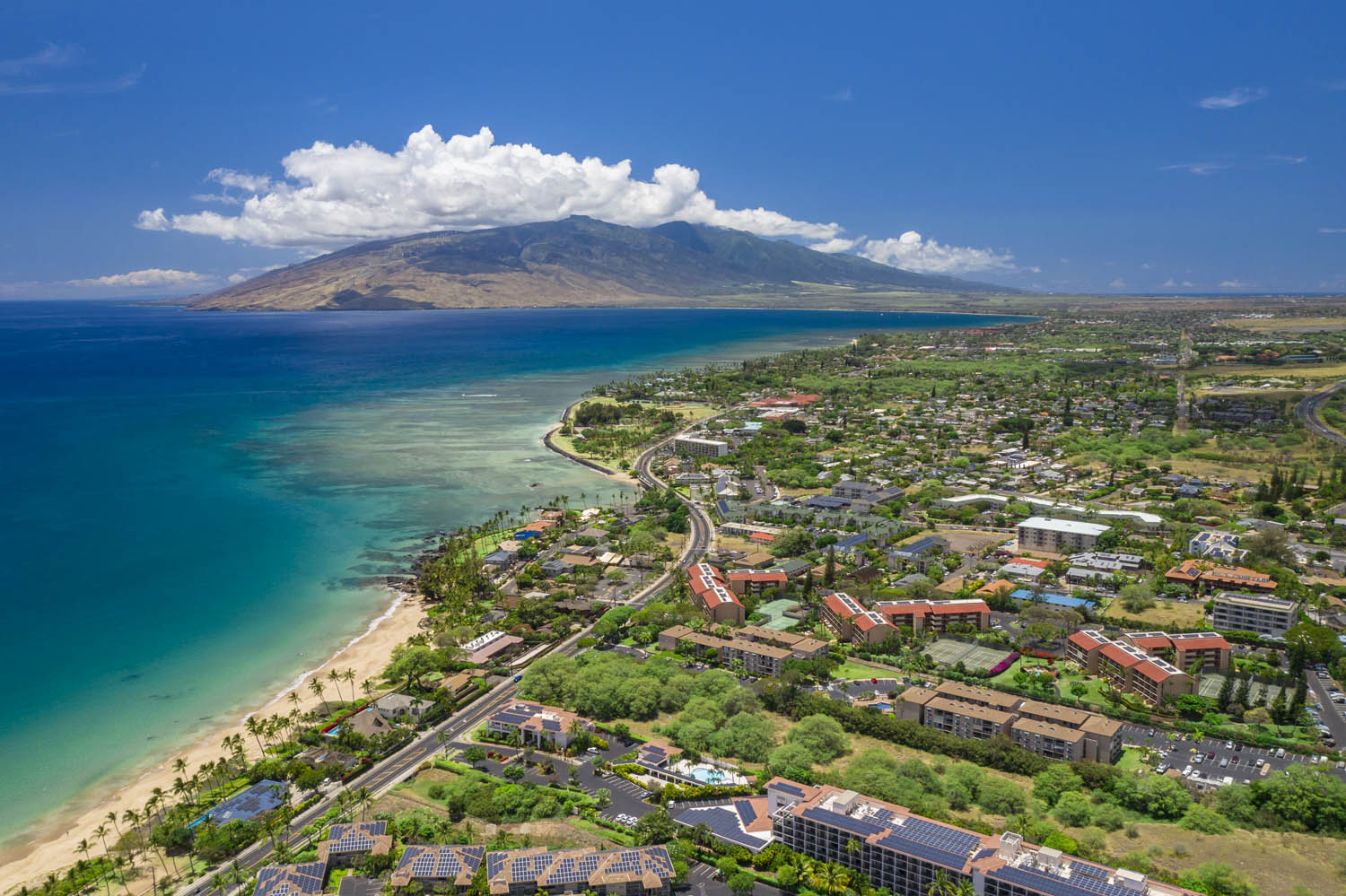
Kihei
Sun-soaked South Maui with miles of sandy beaches and year-round sunshine. Find Kihei condos, townhomes, and single-family homes for every budget.
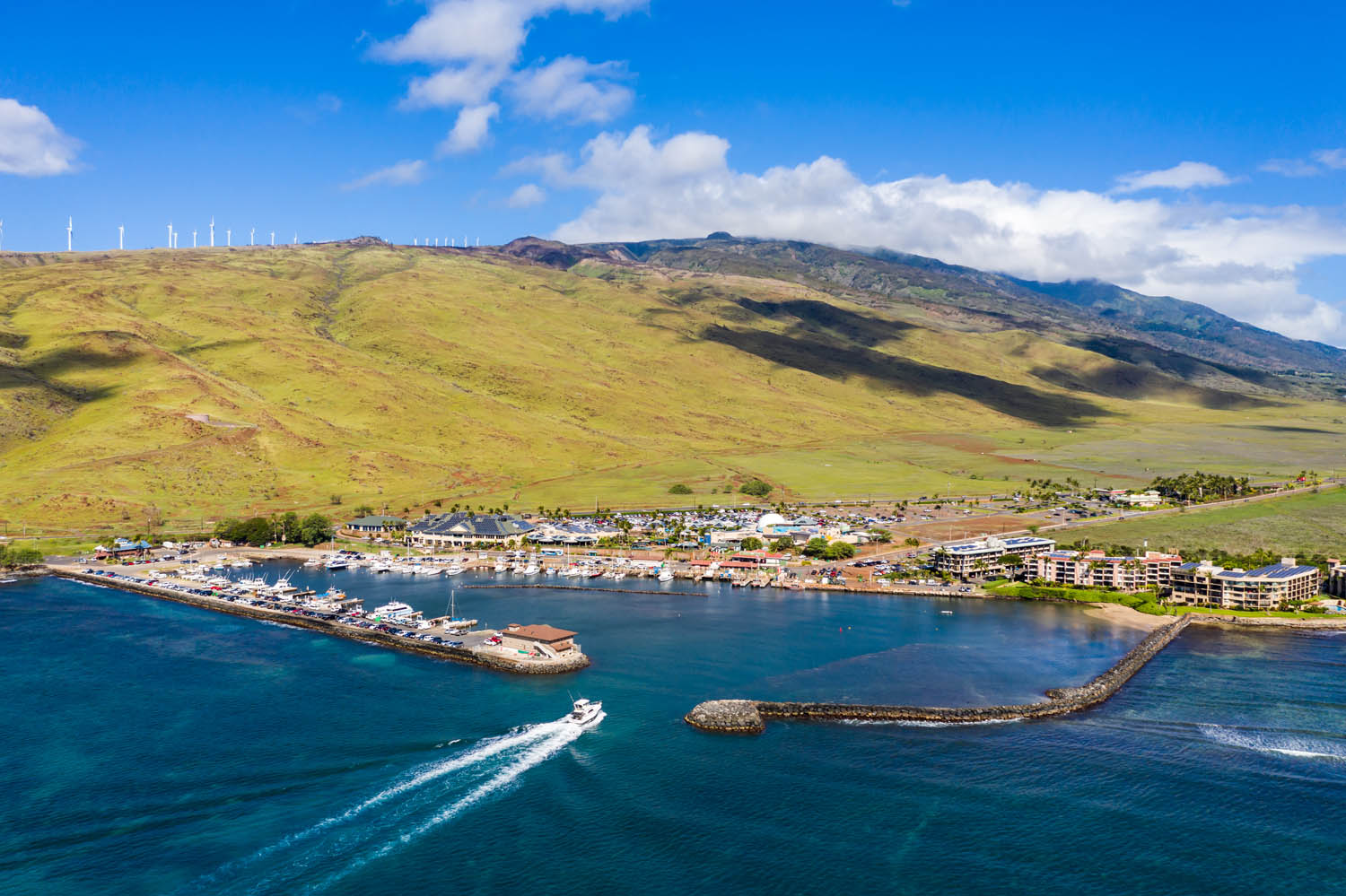
Maalaea
Harbor village between West and South Maui with whale-watching, ocean activities, and affordable condos. Explore Maalaea’s waterfront real estate.

Wailuku
Maui’s county seat at the base of Iao Valley—historic Market Street, local culture, and mountain views. Find Wailuku homes with character and value.
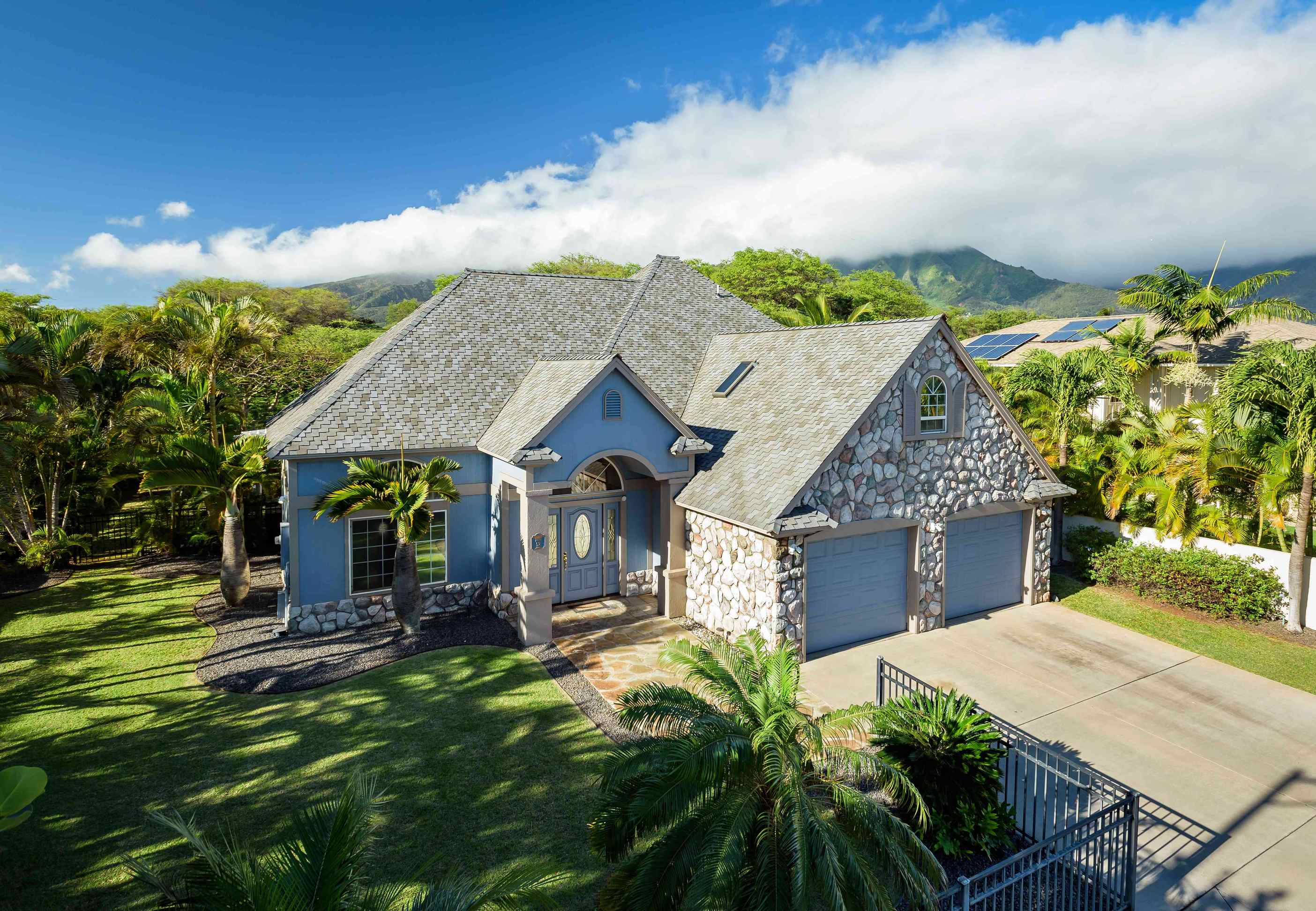
Kahului
Maui’s commercial hub near the airport with shopping, dining, and convenient living. Browse Kahului single-family homes and newer residential developments.
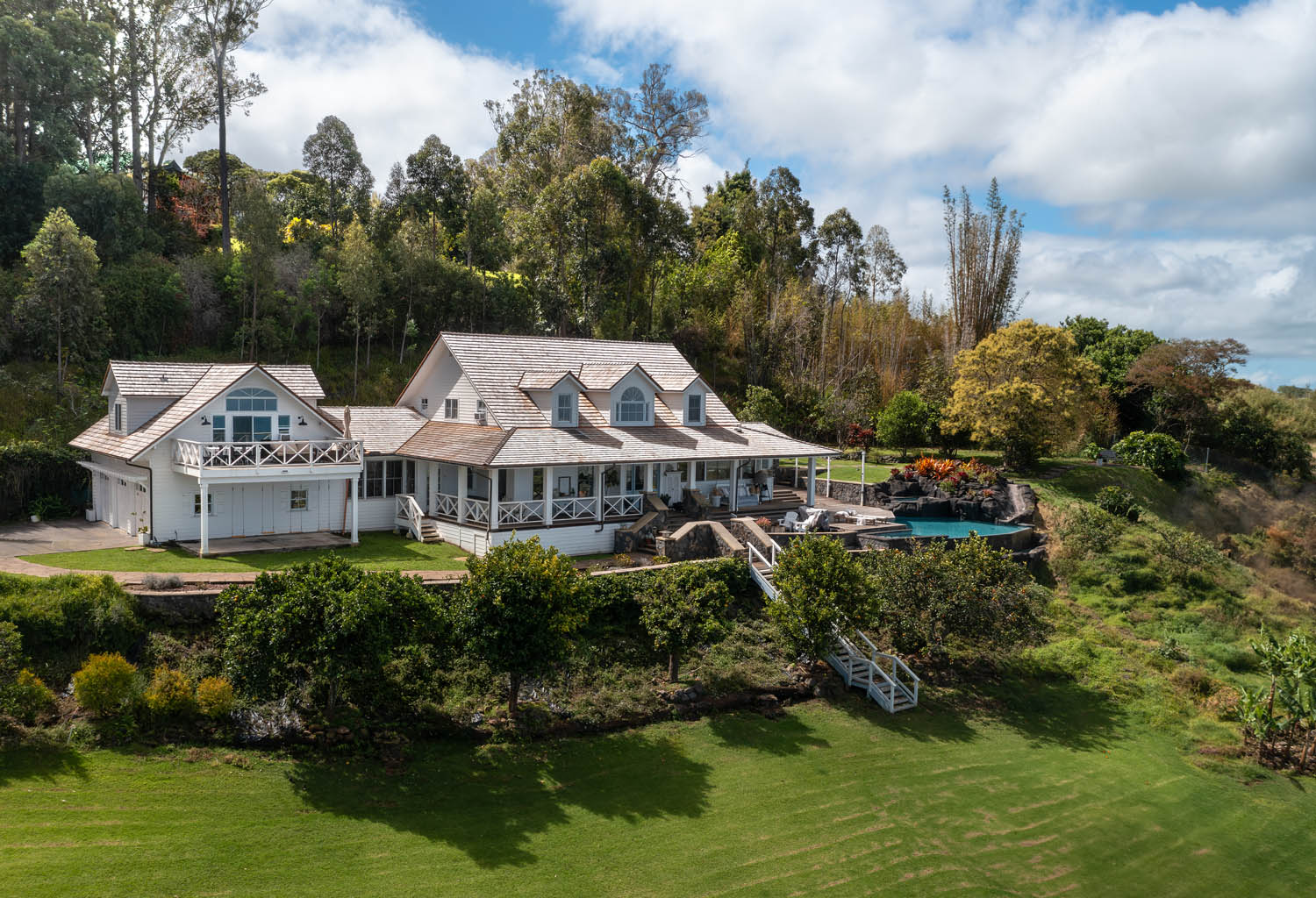
Makawao
Charming paniolo town with art galleries, boutique shops, and cool Upcountry breezes. Discover Makawao homes on spacious lots with ocean and mountain views.

Pukalani
Gateway to Haleakalā with family-friendly neighborhoods, golf, and panoramic ocean views. Browse Pukalani homes in one of Maui’s most livable communities.
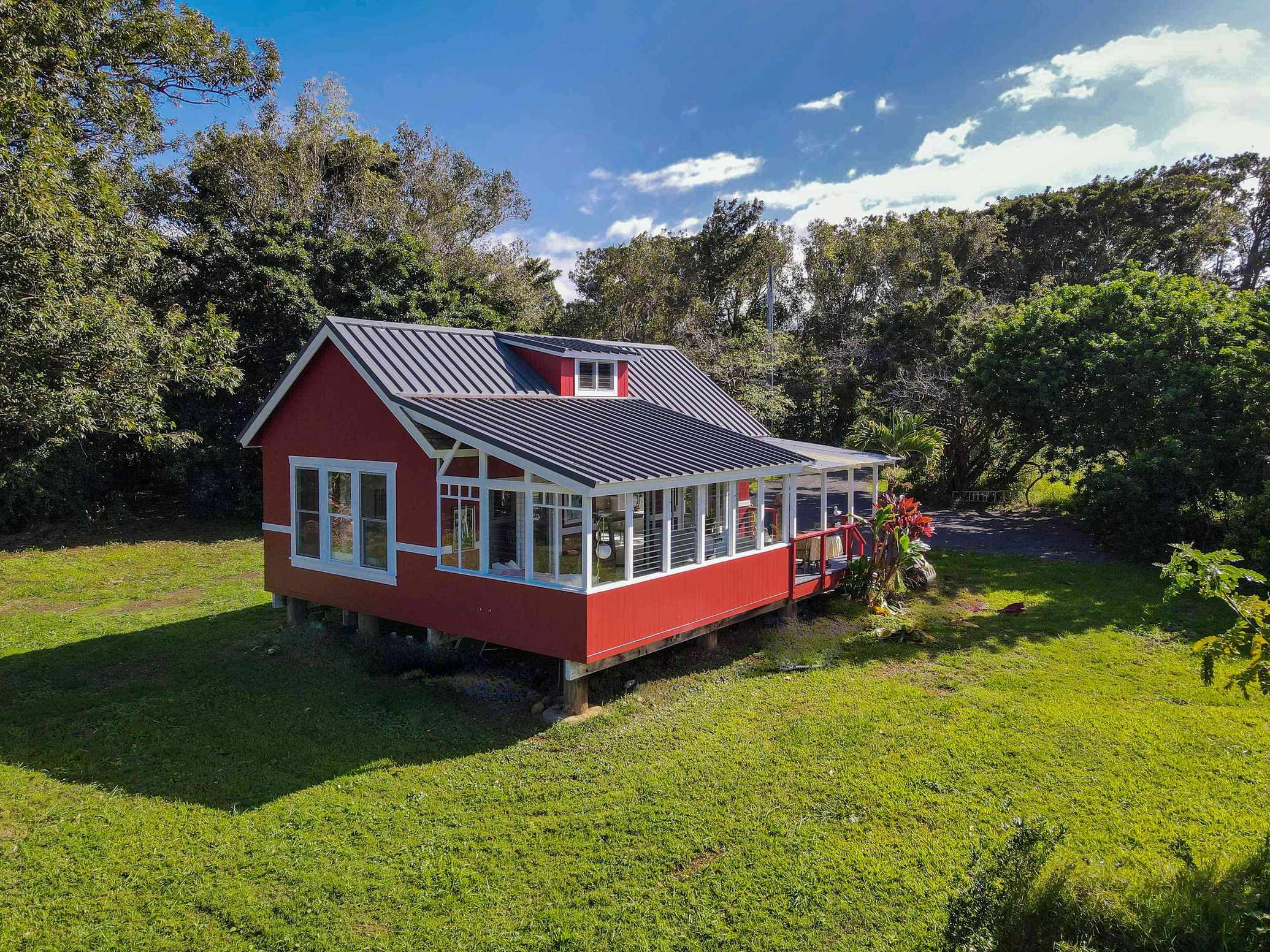
Haiku
Lush jungle living on Maui’s North Shore with waterfalls, tropical farms, and privacy. Explore Haiku cottages, estates, and off-grid retreats.

Hana
Remote paradise at the end of the Road to Hana—black sand beaches, rainforest, and ultimate seclusion. Discover rare Hana oceanfront estates and land.
Explore Maui Areas & Neighborhoods
Discover the best places to live on Maui—from world-class beach resorts and golf communities to charming Upcountry retreats. Explore each region and its unique neighborhoods to find the perfect fit for your Maui lifestyle and real estate goals.
Christopher Barca
Your Local Guide to Every Maui Region
Christopher Barca is a founding member of Compass Hawai’i and one of Maui’s most trusted agents for navigating the island’s six distinct regions. From West Maui’s resort corridor in Kaanapali and Kapalua to South Maui’s Wailea luxury market, Upcountry Maui’s cooler-climate estates in Kula and Makawao, and the North Shore’s surf-culture communities in Paia and Haiku, Chris brings 19 years of boots-on-the-ground expertise and over 24 years of island living to every transaction.
Whether you’re drawn to oceanfront living, paniolo country, or the remote charm of East Maui and Hana, Chris helps match each client’s lifestyle and investment goals to the right Maui region. With maui.realestate, you get region-specific pricing insight, off-market access, and a seamless buying or selling experience guided by one of the island’s top agents.

In the Press























Frequently Asked Questions
Maui is divided into six distinct regions, each with its own character, climate, lifestyle, and real estate profile. West Maui encompasses the iconic resort corridor from Kapalua through Kaanapali down to Lahaina — a stretch defined by world-class beaches, luxury resorts, and a vibrant dining and arts scene. South Maui runs from Kihei through Wailea to Makena, offering everything from entry-level condos to ultra-luxury oceanfront estates in one of Hawaii's most consistently sunny microclimates. Central Maui anchors the island with Kahului and Wailuku — the commercial and governmental hub — offering the most affordable residential prices and the best access to the airport and services.
Upcountry Maui rises into the slopes of Haleakala, encompassing charming towns like Makawao, Kula, Pukalani, and Haiku, beloved for cooler temperatures, agricultural estates, and a quintessential Old Hawaii atmosphere. North Shore Maui stretches from Kahului through Paia and Haiku, favored by surfers, artists, and those seeking an eclectic, bohemian lifestyle close to world-famous waves. East Maui takes in the dramatic Hana Highway corridor and the remote Hana town itself — a land of lush rainforest, waterfalls, and extraordinary seclusion. maui.realestate maintains deep, individual guides for every one of these regions, going far beyond the surface-level summaries found on national real estate portals.
South Maui — and specifically the Wailea and Makena resort corridor — is the epicenter of Maui luxury real estate. This stretch of coastline is home to the Wailea resort hotels, championship golf courses, the famous Wailea Beach Walk, and some of the most extraordinary oceanfront real estate in the world. Condo communities like Wailea Elua Village, Wailea Ekolu, Palms at Wailea, and the flagship Andaz Residences sit alongside estate neighborhoods like Makena Place and Makena Golf Estates — properties consistently listed in the $3M–$30M+ range. The sunshine reliability (Wailea averages more sun per year than almost anywhere else on the island) further amplifies the appeal for second-home buyers and luxury investors.
West Maui is the close second, with Kapalua and its Plantation and Bay courses drawing elite buyers to properties like the Kapalua Bay Villas and the ultra-exclusive Montage Residences Kapalua Bay. The Kaanapali corridor adds trophy oceanfront buildings including Kaanapali Alii and Honua Kai. Christopher Barca, as a founding member of Compass Hawai'i and member of the Compass Sports & Entertainment Division, has deep access to off-market opportunities in both of these marquee luxury zones. Call 808-269-1053 to discuss which region best fits your vision.
Central Maui — the Kahului and Wailuku corridor — consistently offers the most accessible entry points into Maui real estate. As the commercial and civic hub of the island, Central Maui is less focused on resort tourism and more oriented toward year-round residents, which keeps prices grounded relative to the resort regions. Buyers can find well-priced single-family homes in Kahului and Wailuku neighborhoods at price points that would seem remarkable compared to what the same budget buys in Kihei or Kaanapali. Inventory in Central Maui also tends to turn over more steadily, giving buyers more opportunities to find well-positioned properties without the intense bidding wars common in resort areas.
The other notably affordable region — particularly for rural land and farm property — is Upcountry Maui. Towns like Pukalani, Haiku, and parts of Kula offer genuine value for buyers willing to trade beachfront proximity for cooler temperatures, more land, and an authentically local Hawaii lifestyle. maui.realestate covers the full spectrum of Central Maui and Upcountry neighborhoods in detail — from Wailuku's historic Mill House district to Haiku's rainforest hideaways — with hyper-local insight that no generalist portal can provide. Christopher Barca's 24+ years of island living means he can guide you toward the best value pockets within any region. Contact Chris for a personalized recommendation.
The passage of Bill 9 — Maui County's landmark short-term rental reform legislation — has fundamentally changed the investment calculus across all six regions. Properties located within officially designated hotel and resort zones retain their short-term rental rights, making West Maui (particularly Kaanapali and Kapalua) and South Maui (Wailea/Makena resort corridor) the clearest winners for vacation rental investors. Buildings like Honua Kai, Kaanapali Alii, Kapalua Bay Villas, and the Wailea resort condominiums maintain their ability to generate nightly rental income, which sustains both occupancy rates and resale valuations at premium levels. Buyers who purchase in these zones post-Bill-9 are acquiring a scarce, grandfathered income-generating asset.
Outside of designated resort zones, Kihei in South Maui remains one of the most compelling long-term appreciation plays despite Bill-9 restrictions on non-conforming STR units. With strong owner-occupant and long-term rental demand, well-located Kihei properties continue to appreciate steadily. Christopher Barca's 19 years of real estate expertise and continuous engagement with Maui County regulatory developments means his clients receive precise, building-by-building guidance on which properties are Bill-9 compliant — not just broad regional generalities. This level of hyper-local insight is what separates maui.realestate from every national real estate portal online.
South Maui and West Maui are both premium resort regions, but they attract different buyer profiles and offer meaningfully different lifestyle experiences. South Maui — running from Kihei through Wailea and ending at Makena — is defined by its exceptional consistency. The region receives less than 10 inches of rain per year in most neighborhoods, making it the sunniest and driest part of the island. The terrain is relatively flat, the beaches are broad and gentle, and the overall vibe blends refined luxury (Wailea) with a more casual beach-town energy (Kihei). The price range is extremely wide: a modest Kihei studio can be purchased for under $500K while a Makena oceanfront estate may exceed $20 million.
West Maui, by contrast, is more dramatically mountainous — the West Maui Mountains create a more varied topography and more variable weather patterns, with Kapalua and Napili receiving noticeably more rain than Kaanapali. The West Maui lifestyle leans more heavily into the resort experience: the Westin, Marriott, and Hyatt properties line Kaanapali Beach, and the Ritz-Carlton at Kapalua anchors the northern end of the coast. West Maui also carries a stronger cultural heritage, with historic Lahaina (now rebuilding post-2023 fires) having served as the royal capital of the Hawaiian Kingdom. Christopher Barca can walk you through every nuance of both regions — call 808-269-1053 to schedule a consultation.
Upcountry Maui is a world unto itself — cooler temperatures, lush greenery, panoramic ocean views from elevation, working farms, and a tight-knit community of artists, ranchers, and long-time island residents. The main Upcountry towns are Makawao (charming cowboy town with galleries, boutiques, and the famous Makawao Steak House), Kula (agricultural heart of the island, home to Kula Botanical Garden and stunning estate properties), Pukalani (the most accessible and affordable Upcountry town with good services and a golf course), and Haiku (lush and verdant on the North Shore edge, beloved by surfers and nature lovers). Each has its own real estate micro-market with distinct price points, lot sizes, and property types — from modest plantation cottages to multi-acre farm estates.
Buyers drawn to Upcountry typically prioritize land, privacy, and authentic island living over beach proximity. The lifestyle rewards those who love hiking, horseback riding, farm-to-table culture, and spectacular sunsets viewed from 2,000–4,000 feet of elevation. It is also increasingly popular with remote workers seeking a full-time Maui lifestyle at lower price points than the coastal resorts. Christopher Barca's 24+ years of island living includes deep familiarity with every Upcountry pocket — he can advise on soil quality for agricultural buyers, optimal view corridors in Kula, and which Haiku neighborhoods sit within Maui's most coveted school districts. maui.realestate covers every Upcountry neighborhood in individual dedicated pages.
East Maui — the region encompassing the Road to Hana and the remote town of Hana itself — is absolutely a realistic place to own a home, but it demands a clear-eyed understanding of the lifestyle and logistical realities. The region is among the most spectacularly beautiful in the Hawaiian Islands: lush, ancient rainforest, cascading waterfalls, pristine black and red sand beaches, and a sense of remoteness that feels genuinely off the grid even though Kahului Airport is just 50+ miles away. The Road to Hana's famous 600+ curves and one-lane bridges mean that grocery runs, medical appointments, and most daily errands require advance planning and commitment. Internet connectivity, while improving, remains limited in many parts of East Maui.
For buyers who embrace these tradeoffs, East Maui offers extraordinary value compared to the resort regions — particularly in terms of land size and privacy. Substantial parcels with agricultural designations, rainforest settings, and ocean views are available at price points that would be impossible elsewhere on the island. The Hana real estate micro-market is small, specialized, and moves slowly — which means that when the right property comes available, buyers who have already built a relationship with a boots-on-the-ground local expert like Christopher Barca are positioned to move decisively. maui.realestate maintains detailed neighborhood pages covering East Maui's unique communities.
Post-Bill 9, the regions with the strongest vacation rental income potential are those with the largest concentration of properties in designated hotel and resort zones: West Maui (Kaanapali, Kapalua, Napili, Kahana) and South Maui (Wailea resort corridor, select Kihei resort-zoned buildings). In these areas, nightly rates for well-managed vacation rental units average between $350–$1,200+ per night depending on unit size, building, and views — with peak winter and summer seasons commanding significant premiums. Buildings like Honua Kai in Kaanapali and the Wailea Elua complex in Wailea are among the top-performing vacation rental properties on the island, with occupancy rates that sophisticated investors track closely.
Long-term rental income potential is strongest in Central Maui and Upcountry, where the year-round resident population creates consistent demand for quality housing. Cap rates on long-term rental properties in Kahului and Kihei can range from 4–6% depending on purchase price and management approach — modest by mainland standards, but historically stable and underpinned by Maui's constrained housing supply. Christopher Barca and the maui.realestate team provide detailed investment analysis for any property under consideration — covering projected rental income, HOA costs, management fees, and net yield — so clients can make fully informed decisions. Connect with Chris for a personalized investment overview.
Christopher Barca's process for helping clients select the right Maui region begins with listening — deeply and without assumption. Over 19 years of guiding buyers and sellers across all six regions of Maui, Chris has developed a structured discovery process that uncovers not just the stated preferences (beach access, budget, rental income) but the underlying lifestyle priorities that will determine long-term satisfaction with a purchase. A buyer who says they want "somewhere sunny and affordable" may ultimately discover that what they truly want is the cooler, more private Upcountry lifestyle — a revelation that a surface-level search on a national portal would never surface.
Once regional priorities are clarified, Chris applies his unmatched neighborhood-level intelligence to identify the specific sub-markets within each region that best match the client's goals — factoring in micro-climate variations, HOA health for condo buyers, school district considerations for families, proximity to specific amenities, and the trajectory of neighborhood appreciation. maui.realestate's unique infrastructure — with 276+ neighborhood pages and 6 regional guides developed from boots-on-the-ground expertise — means this guidance is backed by the most comprehensive Maui real estate knowledge base online. No other agent or platform offers this combination of personal expertise and digital depth. Call 808-269-1053 to start your regional consultation today.
Zillow and Redfin are powerful national tools for browsing active listings, but their regional content for Maui is generic by design — written to serve millions of markets simultaneously rather than one extraordinary island in depth. A Zillow "West Maui" page tells you it's near the beach and has nice resorts. maui.realestate's West Maui regional guide tells you the difference between a Kapalua Bay Villas fee-simple oceanfront unit and a Mahana leasehold, how the Kaanapali resort zoning interacts with Bill-9 rental regulations, which micro-neighborhoods within the Kaanapali corridor capture true beachfront versus golf-view versus mountain-view — and why all three price differently. This is the difference between a directory and a guide.
Beyond regional guides, maui.realestate features 266+ individual condo building pages, 276+ neighborhood pages, and a continuously updated market blog authored by Christopher Barca — a founding member of Compass Hawai'i with 19 years of real estate expertise and press coverage in outlets including Wall Street Journal, LA Times, Mansion Global, Pacific Business News, and Hawaii Business Magazine. The result is a site built by Maui's most informed luxury agent, for buyers and sellers who demand the most informed Maui real estate experience available anywhere online. No national portal comes close to this depth. Explore every regional guide, then call 808-269-1053 when you are ready to act.