The Investment Thesis Has Changed — Not Disappeared
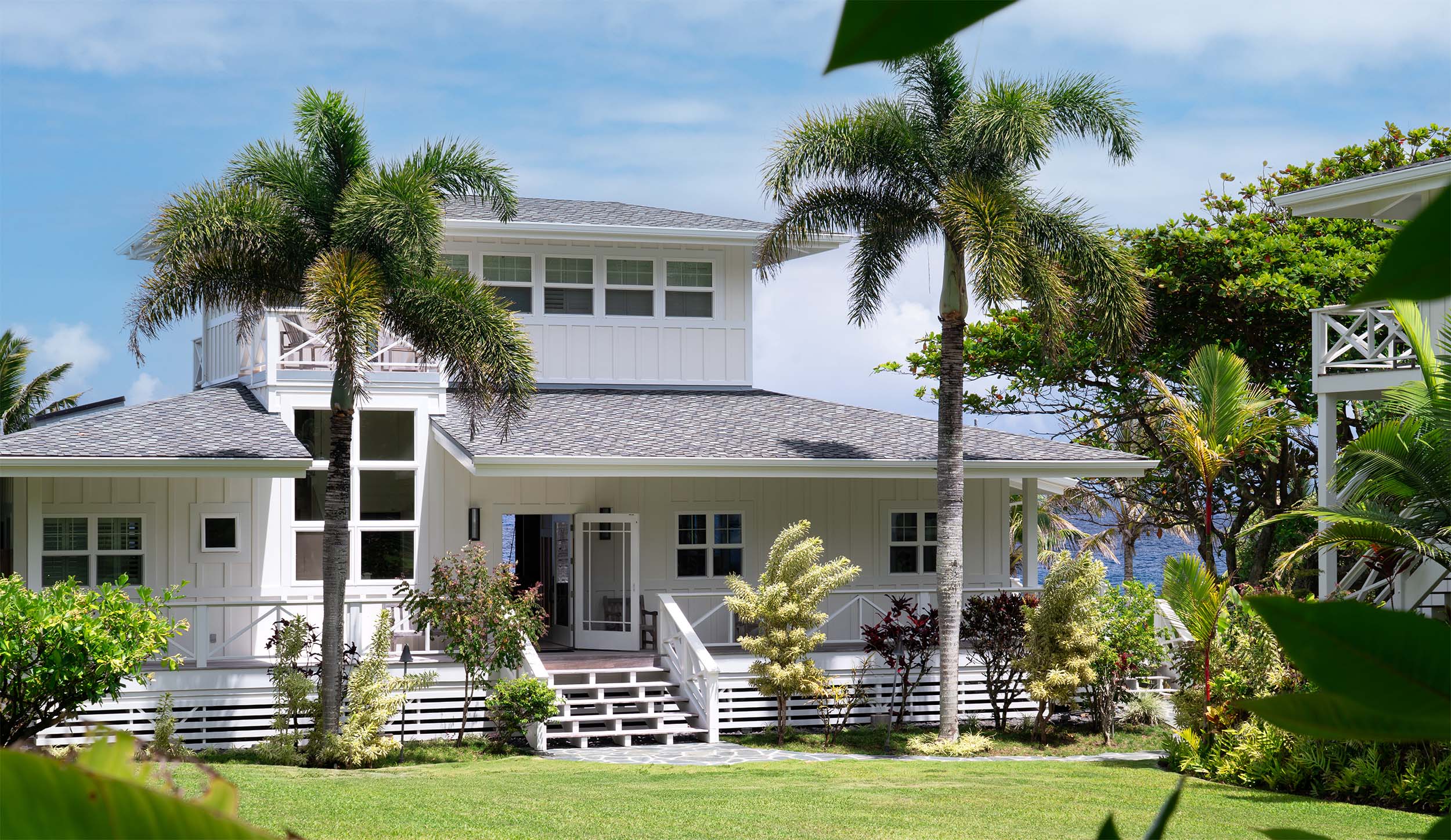
For the past decade, the dominant Maui real estate investment thesis was straightforward: buy a condo, list it on Airbnb, generate short-term rental income that covers carrying costs and then some, and hold a trophy asset that appreciates over time. That thesis worked — until it didn't. Bill 9, rising interest rates, and tightening insurance markets have collectively forced every Maui investor to rewrite the model.
But here is what hasn't changed: Maui is still one of the most in-demand real estate markets in the world. Land supply is permanently constrained. Long-term rental demand from the island's resident workforce is substantial and growing. And the price corrections in the condo market have created entry points that, when underwritten against long-term rental income rather than STR projections, actually pencil favorably for patient investors.
The investment opportunity is real — it just requires a different strategy.
The New ROI Framework: Long-Term Rental Math
Let's run the numbers honestly. A 2BR/2BA condo in Kihei that sold for $950,000 at peak in 2022 might be available today for $750,000–$800,000. At current long-term rental rates for a well-located Kihei 2BR (approximately $2,800–$3,500/month), the gross rental yield on a $775,000 purchase price is roughly 4.3%–5.4% annually before expenses.
Subtract HOA fees (often $600–$1,000/month on older buildings), property taxes (roughly 0.3% on a non-owner-occupied residential property in Maui), insurance, and modest maintenance reserves, and the net yield typically lands in the 2%–3.5% range for a financed purchase.
That is lower than peak STR yields were. It is not, however, a bad return for a hard asset in a supply-constrained market with documented long-term appreciation history — particularly for cash buyers who are not carrying debt service at current rates.
Where the STR Opportunity Still Exists
Not all short-term rental income is foreclosed. Investors who focus their search on the right building types can still legally operate vacation rentals:
- Hotel-zoned (H) condo buildings in Wailea: Buildings like Wailea Beach Villas, Andaz Residences, and select others retain full STR rights. These units command a premium in purchase price but also in rental income.
- Condominium Hotel (CH) designated buildings: Certain resort-corridor buildings with this specific designation are still fully STR-viable. Due diligence on the exact designation is critical before any offer.
- Kaanapali hotel-zone properties: Several beachfront Kaanapali buildings remain in hotel zoning and can legally operate STRs with proper permits.
The premium for legally STR-viable units has widened significantly since Bill 9. Buyers who understood the zoning landscape early and acquired in the right buildings before the law changed are now holding significantly more valuable assets relative to comparable non-STR-zoned units.
Multi-Family and Land Opportunities
Investors with larger budgets and longer time horizons should also consider Maui's multi-family and land segments, which receive less attention but offer compelling fundamentals:
- Small multi-family in Wailuku and Kahului: Duplexes and small apartment buildings in Central Maui serve the island's largest workforce population. Cap rates are modest but cash flow is real and vacancy is low.
- Ag-zoned land in Upcountry: Well-priced agricultural parcels in Kula and Haiku with permitted accessory dwelling units offer both lifestyle and income potential for investors willing to develop carefully within ag-use requirements.
- Owner-occupant STR (primary residence): Homeowners who occupy their primary residence can still legally rent rooms or an ohana unit for short-term stays under the owner-occupant exemption — a strategy that works well for buyers who want to live in Maui and offset housing costs.
What Smart Maui Investors Are Doing Right Now
The most active and disciplined investors in Maui right now are doing three things: (1) targeting the soft condo market for long-term rental acquisitions at corrected prices, underwriting conservatively against long-term rental income only; (2) acquiring legally STR-viable units in hotel-zone buildings at today's still-elevated but negotiable prices before rate relief increases competition; and (3) looking at Upcountry properties where lifestyle appeal, land scarcity, and moderate price points create a compelling long-term hold case.
Christopher Barca and the team at maui.realestate work extensively with real estate investors. We can run a detailed investment analysis — with current rental comps, expense modeling, and zoning verification — for any property you're evaluating.
Frequently Asked Questions
Is Maui real estate still worth investing in after the STR law changes?
Yes — but the strategy must be updated. Investors who were solely reliant on STR income in non-hotel-zoned buildings need to reunderwrite against long-term rental income. The numbers are lower but often still positive, particularly at post-correction purchase prices. Investors targeting legally STR-viable hotel-zone properties will pay a premium but can still access the vacation rental market.
What is the typical rental yield on a Maui investment property?
Long-term rental gross yields on corrected-price Kihei condos range from 4%–5.5%. Net of HOA, taxes, insurance, and maintenance, expect 2%–3.5% for financed purchases. Cash buyers without debt service run materially higher effective yields. STR-permitted hotel-zone units can generate gross yields of 6%–10%+ but come at higher purchase prices.
What type of Maui investment property has the best outlook?
For income, hotel-zoned STR-permitted resort condos. For long-term appreciation, oceanfront and resort-adjacent properties in Wailea and Makena. For cash flow stability at accessible entry points, well-located Kihei condos underwritten on long-term rental income at post-correction prices. Your optimal choice depends on your capital, timeline, and income vs appreciation priorities.
Christopher Barca
Your Top Maui Real Estate Agent
Christopher Barca, a founding member of Compass Hawai’i and one of Maui’s top agents, brings 19 years of real estate expertise and over 24 years of island living. With a background in film location management and education from Manhattan’s School of Visual Arts and the University of Hawai’i, he offers unmatched market knowledge, a keen eye for design and architecture, and a talent for showcasing a property’s true potential. As a member of the Compass Sports & Entertainment Division, Chris provides world-class marketing and guidance for everyone from first-time buyers to seasoned investors, all while staying laid-back, passionate, and deeply connected to Maui’s business and creative communities.